THE CODE
Four bases, two rules
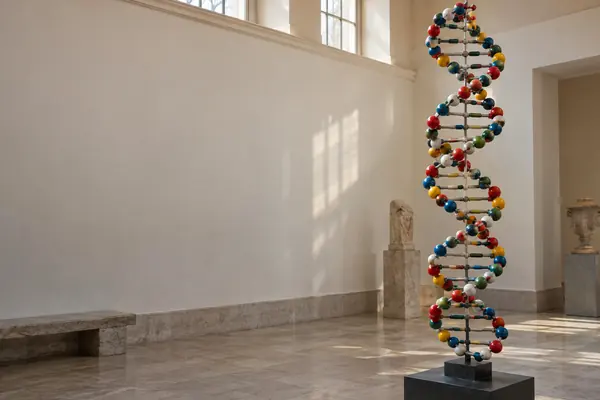
DNA uses four bases: A, T, G and C. The US National Human Genome Research Institute says A always pairs with T, and C with G.
Zoom inTHE SCIENCE, IN PLAIN ENGLISH
DNA is the instruction set inside your cells.
It is written in just four chemical letters, paired up on two strands that twist into a double helix. A human genome holds about 3 billion of those letters and about 20,000 genes.
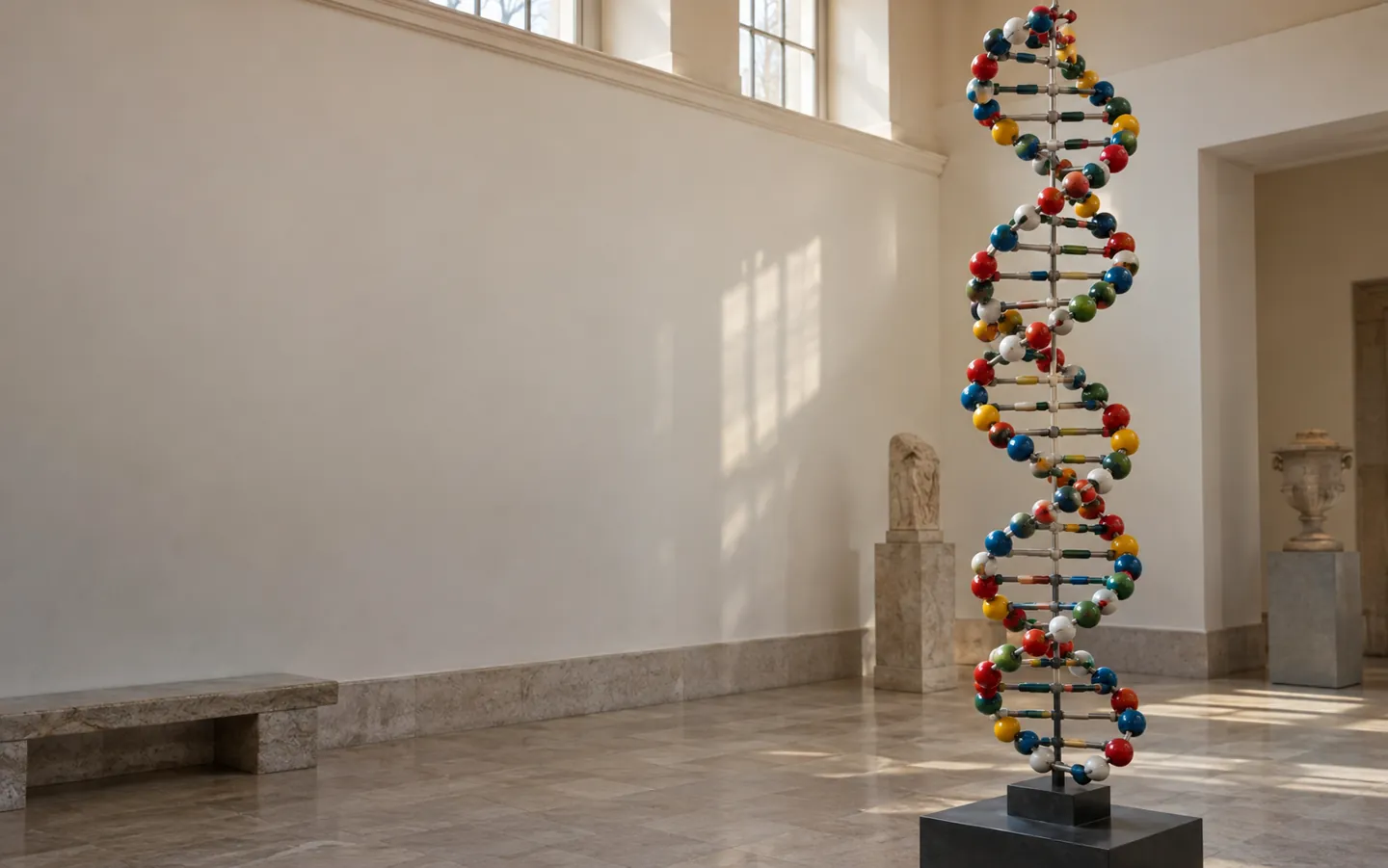
A·T C·G the only pairings
THE SHORT ANSWER
Three ideas explain most of it.
The code, the shape, and the story of how we found it.
THE CODE
DNA uses four bases: A, T, G and C. The US National Human Genome Research Institute says A always pairs with T, and C with G.
Zoom inTHE SHAPE
Two sugar-phosphate strands run in opposite directions, joined by base pairs as the rungs. Twisted, they form the double helix.
See the numbersTHE DISCOVERY
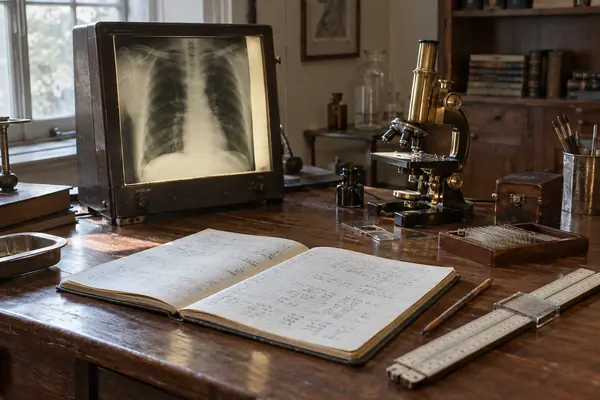
The structure was published in Nature on 25 April 1953, with X-ray evidence from King's College London alongside the Cambridge model.
Read the storyZOOM IN, ZOOM OUT
Pick a level to see how DNA is organised, from a single pair of letters to a whole human genome. The bar shows the scale, from smallest to largest.
Figures from the US National Human Genome Research Institute and King's College London. Counts are approximate and refer to the human genome.
TWO NUMBERS WORTH KNOWING
One figure on how much DNA we carry,
one on how alike any two people are.
≈ 3 billion
Bases in a human genome
The US National Human Genome Research Institute says a human genome contains about 3 billion bases and about 20,000 genes on 23 pairs of chromosomes.
GENOME SIZE · NHGRI
≈ 99.6%
How alike two people's genomes are
NHGRI says any two people's genomes are on average about 99.6% identical. The often-quoted 99.9% counts only single-letter differences.
SAMENESS · NHGRI
The Human Genome Project ran from 1990 to 2003. The last gaps were filled in 2022, when a consortium announced the first truly complete human genome sequence.
FOUR WORDS TO KNOW
These terms get mixed up all the time. Here is how they fit together, from smallest to largest.
One chemical letter: A, T, G or C. Bases pair across the two strands, A with T and C with G.
A stretch of DNA that carries instructions. Humans have about 20,000 genes.
A long, packaged length of DNA. Human cells keep theirs in 23 pairs inside the nucleus.
The complete set: about 3 billion bases in a human, plus a little DNA in the mitochondria.
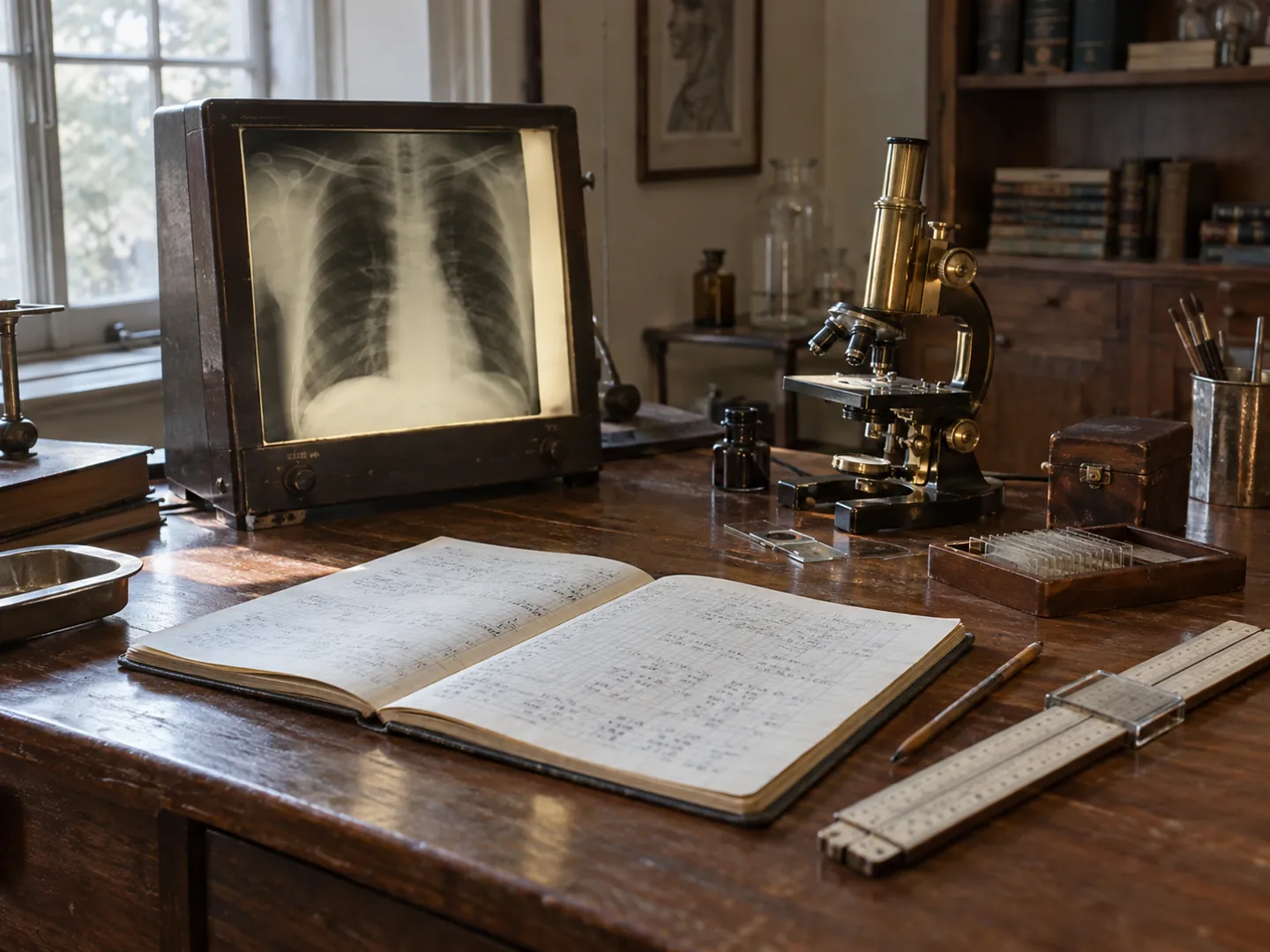
THE 1953 DISCOVERY
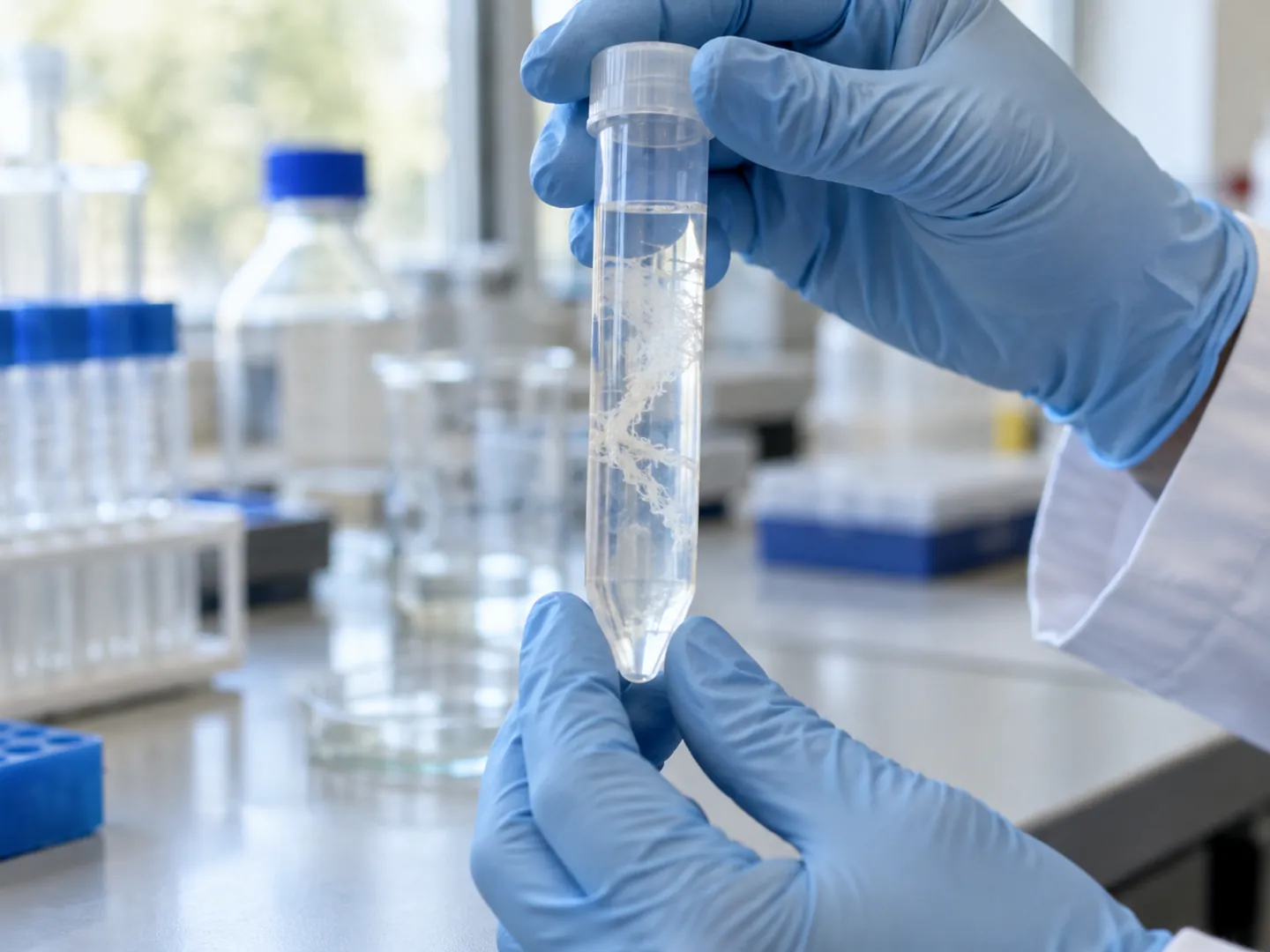
At King's College London in May 1952, Rosalind Franklin and her PhD student Raymond Gosling made Photograph 51, an X-ray image of DNA after 62 hours of exposure. Its cross-shaped pattern pointed to a helix. In January 1953 Maurice Wilkins showed it to James Watson without Franklin's knowledge.
On 25 April 1953 Nature published Watson and Francis Crick's double-helix model alongside papers from King's. A 2023 Nature analysis argues Franklin was an equal member of the group of four. She died of cancer in 1958, aged 37; the 1962 Nobel Prize went to Crick, Watson and Wilkins.
Questions
Deoxyribonucleic acid. NHGRI describes it as the molecule that contains the biological instructions that make each species unique.
A gene is one stretch of DNA that carries instructions. The genome is the whole set: in humans, about 3 billion bases and about 20,000 genes on 23 pairs of chromosomes.
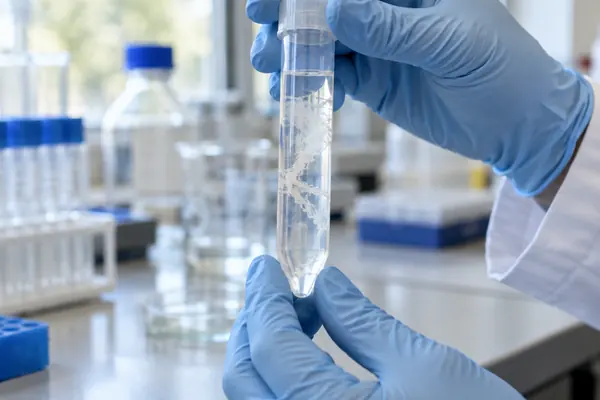
Most of it is inside the nucleus of each cell. A small amount is also found in mitochondria, the structures that generate the cell's energy.
Historians disagree on the details. A 2023 Nature analysis argues they built the model by their own approach and used King's data, without permission, to check it, and that Franklin was an equal contributor.
That figure counts only single-letter differences. NHGRI says that, counting all kinds of difference, any two people's genomes are on average about 99.6% identical.
Sources
ABOUT THIS NAME
doodledna.com is part of the DoodleSale portfolio. It isn't in an auction right now, but you can ask about leasing it.